
Own an MD Hyperbaric Franchise
Join the leading medical franchise that's backed by science, not marketing gimmicks
Example Franchise Performance
Gross Annual Sales
$0
EBITDA
$0
Request Information
Fill out the form below to learn more about franchise opportunities.
Request Information
Fill out the form below to receive detailed information about our franchise opportunities.
What is Hyperbaric Oxygen Therapy?
HBOT delivers 100% oxygen under pressure, allowing red blood cells and plasma to carry oxygen at significantly higher levels—supercharging the body's ability to heal tissues, reduce inflammation, and accelerate recovery.
Increased Pressure
1.5–2x atmospheric pressure increases oxygen delivery to tissues.
Enhanced Circulation
Oxygen-rich plasma reaches areas with limited blood flow.
Accelerated Healing
Triggers cell repair, reduces swelling, and supports immune response.

Strong Unit Economics
MD Hyperbaric franchises deliver impressive financial performance with a lean operational model.
Annual Performance
Gross Sales
$872,113
EBITDA
$310,793
*Based on the 2026 FDD
Key Advantages
Lean Operations
Minimal staff, low overhead, compact footprint
Recurring Revenue
High-margin treatment packages drive consistent income
Multiple Revenue Streams
Diverse treatment options create multiple income sources
Experienced Leadership
Our team brings together medical expertise, operational excellence, and business acumen to support your franchise success.
Medical Leadership
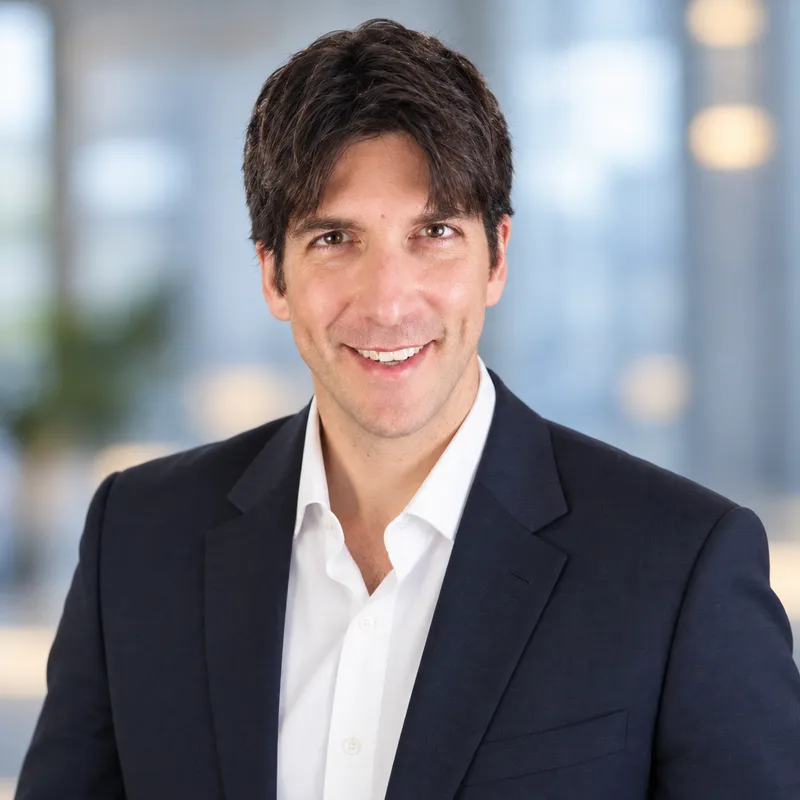
Dr. Amir Hadanny
Chief Medical Officer
Neurosurgeon and neuroscientist leading MD Hyperbaric's clinical programs, medical protocols, and research. Nearly two decades studying hyperbaric oxygen therapy for neurological and chronic conditions, with more than 80 peer-reviewed publications.
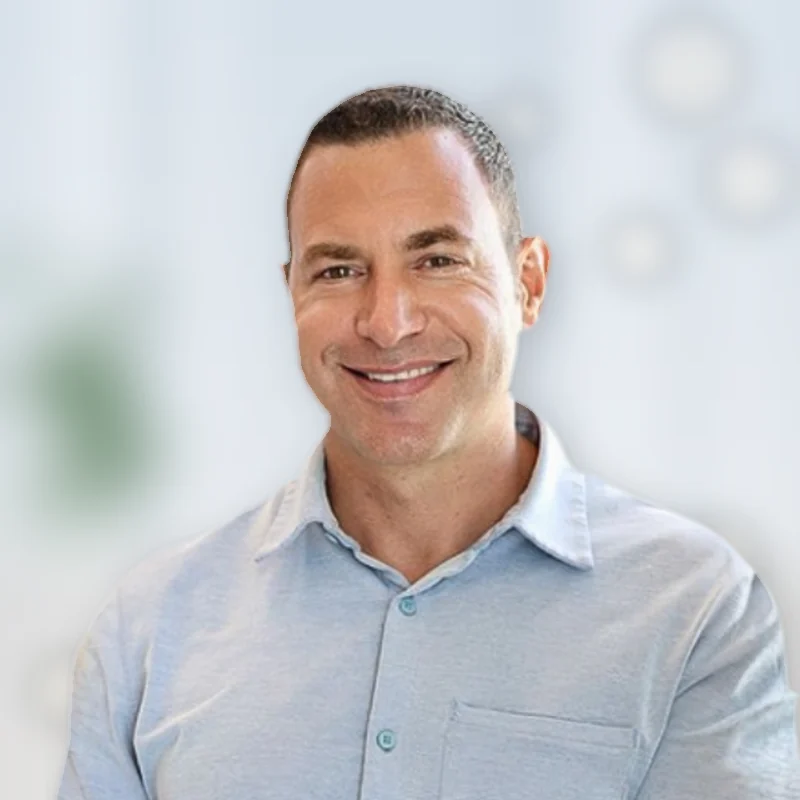
Dr. Jason Sonners
Chief Clinical Officer
More than two decades as a hyperbaric clinic operator and educator, with leadership roles at IBUM and IHA and author of Oxygen Under Pressure. Supports medical directors and protocol development across every MD Hyperbaric center.

Dr. Martin O'Malley
Co-Founder
Board Certified Orthopedic Surgeon, UHMS Certified Hyperbaric Practitioner, Team Physician for the Brooklyn Nets, Foot and Ankle consultant for the New York Giants and New Jersey Devils.
Business Leadership

Chris Neal
Chief Executive Officer
Former Head of Operations for the nation's largest wellness company, Restore Hyper Wellness (250+ locations). Led keystone projects for Comcast, Vanguard Financial, Penn Medical Health System, and more.

Dave Globig
Chief Strategy Officer
Former CEO of Aviv Clinics, which he led for six years as the world's largest and most published off-label HBOT clinic. Deep expertise in healthcare strategy, operations, and building scalable clinical models rooted in quality and outcomes.

Mark Wiseman
Co-Founder & Board Member
Former Top Executive at BlackRock overseeing trillions in investments. Former President & CEO of the Canada Pension Plan Investment Board (CPPIB). Head Consultant for Lazard Financial Services.
Conditions HBOT Can Help Support
MD Hyperbaric offers effective support for a wide range of conditions, creating multiple revenue streams for your business.
- Post-surgical recovery
- Non-healing wounds
- Post-radiation injuries
- Oncology & cancer adjunct
- Concussions & TBIs
- Neurological & neurodegenerative conditions
- Sudden hearing loss (SSNHL)
- Autoimmune & inflammatory conditions
- Lyme disease
- Long COVID
- Chronic pain & fatigue
- Athletic recovery & injuries
- Performance & longevity
Massive Market Opportunity
MD Hyperbaric is positioned at the intersection of traditional medicine and proactive wellness, tapping into multiple billion-dollar markets.
$63B
Chronic Disease
HBOT for chronic inflammation and autoimmune conditions
$35B
Post-Surgical Recovery
Speed up healing after surgery with HBOT
$115B
Longevity & Wellness
Hyperbaric oxygen therapy for anti-aging
$18B
Neurological Conditions
HBOT for brain injury recovery and cognitive health
Why Choose MD Hyperbaric?
Join a growing industry with proven results and a business model designed for success.
Our franchise system is built on years of operational excellence and a proven track record of success. With strong unit economics and multiple revenue streams, MD Hyperbaric offers an attractive investment opportunity.
The hyperbaric oxygen therapy market is expanding rapidly as more medical professionals recognize its benefits. MD Hyperbaric is positioned at the intersection of traditional medicine and proactive wellness, tapping into multiple billion-dollar markets.
From site selection to ongoing operations, our team provides the guidance you need every step of the way. Our turnkey PLLC model streamlines legal setup, and our built-in referral engine fuels steady patient flow.
Our Mission, Vision & Values
We're committed to revolutionizing healthcare through the power of hyperbaric oxygen therapy.
Mission
To revolutionize healing, recovery, and prevention by democratizing the transformative power of oxygen under pressure.
Vision
Optimal recovery for patients everywhere.
Values
Personalized
We meet our patients where they are and customize treatment plans to fit their individual needs.
Precise
We uphold the highest standards of medical accuracy and efficacy.
Pioneering
We are the category leader and will continue to set the bar for innovation and advanced therapeutic techniques.
Investment Overview
A transparent look at what it takes to open your MD Hyperbaric franchise.
Financial Requirements
Initial Investment
$300,000 - $500,000
Includes equipment, build-out, and initial inventory
Franchise Fee
$50,000
One-time fee for joining the MD Hyperbaric system
Royalty Fee
8% of gross sales
Ongoing fee for continued support and brand usage
Marketing Fee
2% of gross sales
Contributes to national and regional marketing efforts
Site Selection
We eliminate the guesswork of finding your first location. This decision is too crucial to leave to chance.
Affluent, health-conscious communities
Near fitness centers and medical offices
Wellness hubs with complementary businesses
650-1000 sq ft
Inside medical offices
Standalone retail locations
AI-powered market analysis
Lease negotiation support
Buildout guidance and oversight
The Franchise Process
Your journey to owning an MD Hyperbaric franchise is straightforward and supportive.
Inquiry
Submit your information to start the conversation.
Discovery
Learn about our business model and ask questions.
Qualification
We'll review your qualifications and financial readiness.
Launch
Sign the agreement and begin your journey to opening day.
Frequently Asked Questions
Get answers to common questions about the MD Hyperbaric franchise opportunity.
MD Hyperbaric is a healthcare franchise platform built to deliver medical-grade hyperbaric oxygen therapy (HBOT) in a scalable, outpatient model—making a powerful healing modality more accessible to the people who need it most.
HBOT works by increasing the amount of oxygen delivered to the body under pressure, supporting the body’s natural healing and recovery processes. Our customers use the modality for four main reasons:
- Recover after surgery
- Support neurological health, including brain injury and cognitive conditions
- Manage chronic inflammatory and autoimmune conditions
- Improve recovery, resilience, and overall healthspan
Historically, access to medical-grade HBOT has been limited—often restricted to hospitals or specialty centers with long wait times, high costs, and limited availability. At the same time, many wellness offerings have attempted to adopt HBOT without the medical oversight, protocols, or rigor required for serious use cases. MD Hyperbaric exists to close that gap. Hospitals are overloaded and increasingly inaccessible. Wellness concepts lack clinical credibility and depth. MD Hyperbaric sits in between—bringing physician-supervised, protocol-driven HBOT into local communities where demand is accelerating but access remains constrained. This model effectively democratizes access to a clinically meaningful modality, allowing more patients to receive care in a safe, consistent, outpatient environment—without relying on hospital systems. This is not a trend-driven wellness play. It is a clinically grounded, infrastructure-based healthcare platform positioned for long-term relevance as recovery, neurological care, chronic condition management, and longevity continue to shift out of hospitals and into outpatient settings. For many owners, the opportunity is not just financial—it’s the ability to build a business that improves quality of life, expands access to care, and delivers real impact at scale.
MD Hyperbaric intentionally operates at the medical–wellness intersection, where the strongest healthcare businesses are being built.
- Not a hospital system burdened by bureaucracy and overhead
- Not a retail wellness spa competing on price or vibes
- A medically supervised, outcomes-driven outpatient model
This positioning creates a powerful advantage:
- Broader patient access than hospital-based HBOT
- Significantly higher trust and referral credibility than wellness concepts
- A category that resists commoditization because it requires clinical oversight, specialized equipment, and operational sophistication
In short, MD Hyperbaric competes where most others can’t—or won’t.
MD Hyperbaric is designed for owners who want to build something meaningful, defensible, and scalable—not passive income.
The strongest fits tend to be:
- Operator-investors who want ownership with real enterprise value
- Healthcare professionals or executives seeking control without practicing medicine
- Experienced business owners or multi-unit franchisees comfortable with complexity
- Leaders who can build teams, earn referral trust, and operate in regulated environments
This is a hands-on business in the early years—and that’s by design. The operational depth is what creates the moat, the credibility, and the long-term upside. MD Hyperbaric is not for everyone. It is for operators who want to be early in a category that is still forming—and positioned to own it locally.
Staffing, Medical Oversight, and Licensing
One of the most common misconceptions about MD Hyperbaric is that it must be owned by a physician or staffed entirely by nurses. It does not. MD Hyperbaric was intentionally designed to separate clinical oversight from day-to-day ownership and operations, allowing qualified operators to build and scale locations without practicing medicine themselves.
Ownership Structure
- You do not need to be a doctor to own an MD Hyperbaric franchise
- Franchise owners operate the business, build teams, manage growth, and own the enterprise value
- Medical decision-making and protocol oversight are handled at the platform level
This structure allows experienced operators, investors, and healthcare-adjacent leaders to participate in the category without the limitations of physician-only ownership models.
Medical Oversight Model
MD Hyperbaric provides centralized physician oversight through a telemedicine-based medical director framework.
This includes:
- Physician supervision of patient eligibility and protocols
- Standardized clinical guidelines across all locations
- Consistent documentation, safety, and compliance standards
- Ongoing medical governance without requiring an on-site doctor
This approach delivers hospital-level rigor without hospital-level cost or complexity, and ensures every patient experience is medically sound, consistent, and defensible.
Staffing Model
MD Hyperbaric centers are not nurse-dependent businesses.
- Staff members are trained hyperbaric technicians
- Clinical backgrounds are helpful but not required
- Hiring focuses on reliability, professionalism, and patient experience—not licensure bottlenecks
- Training, protocols, and ongoing support are provided by the franchise system
This dramatically expands the labor pool, lowers staffing risk, and improves scalability compared to hospital-based or physician-led models.
Why This Matters
This structure is not accidental—it is the moat.
- No requirement for physician ownership
- No dependence on scarce nursing labor
- Centralized medical oversight without local complexity
- A repeatable, compliant model that scales across markets
Most people assume serious healthcare businesses must be owned and operated by clinicians. MD Hyperbaric proves the opposite—when the system is designed correctly.
For franchise owners, this means:
- Faster ramp-up
- Lower operational friction
- Broader buyer pool
- Stronger unit economics
- Enterprise value that isn’t tied to your personal credentials
As of November 2026, MD Hyperbaric has 22 open locations, with an additional 40+ Signed Franchise Agreements in phases of site selection or development
Opening an MD Hyperbaric center requires a meaningful but intentional investment, reflecting the medical-grade nature of the business.
While exact costs vary by market, real estate, and scale, franchisees should expect a total initial investment typically in the range of:
$300,000-$500,000
This generally includes:
- Initial franchise fee
- Leasehold improvements and build-out
- Medical-grade hyperbaric chambers and equipment
- Technology and compliance systems
- Pre-opening expenses and working capital
This is not a low-cost franchise—and that is a feature, not a flaw. The capital requirement creates barriers to entry, supports clinical credibility, and limits undercapitalized competitors.
MD Hyperbaric does not make earnings claims. What we can share is how the model works and what ultimately drives performance.
Revenue and profitability are primarily influenced by:
- Chamber utilization rates
- Mix of clinical protocols vs. single sessions
- Ability to build and maintain referral relationships
- Operational execution and team leadership
- Market penetration over time
HBOT is a high-ticket, repeat-use service, and the economic engine is driven by utilization, not foot traffic. When chambers are used efficiently, revenue scales without proportional increases in overhead.
As part of diligence, qualified candidates receive:
- Illustrative financial models
- Unit-level economics explanations
- The opportunity to speak with existing franchise owners
- The Franchise Disclosure Document (FDD), which contains historical financial representations where permitted
MD Hyperbaric exclusively uses the Fortius 420 hyperbaric chamber manufactured by OxyHealth—a deliberate choice rooted in safety, clinical credibility, and long-term scalability. This is not a cosmetic or wellness-grade decision. It’s an infrastructure decision.
Made in the USA
The Fortius 420 is manufactured in the United States, ensuring consistent quality control, regulatory oversight, and a proven manufacturing supply chain—critical in a highly regulated medical environment.
Gold standard in HBOT clinical research
OxyHealth chambers are the most widely used hard-shell chambers in clinical research worldwide. A significant portion of peer-reviewed HBOT studies—especially in neurological, recovery, and chronic conditions—are conducted using OxyHealth systems. That matters when protocols, outcomes, and physician oversight are evidence-driven.
FDA-cleared medical device
The Fortius 420 is FDA-cleared, meaning it meets stringent federal standards for safety and intended medical use. This supports compliant operations, physician confidence, and long-term durability as regulations evolve.
Fully code-compliant (ASME PVHO-1)
The chamber meets ASME PVHO-1 pressure vessel standards and is compliant with fire, safety, and building codes required by local Authorities Having Jurisdiction (AHJs). This dramatically reduces risk during permitting, inspections, and long-term operation.
Pressurized with air — not oxygen (safer by design)
The Fortius 420 is pressurized with air, while patients receive 100% oxygen via a mask. This design significantly lowers fire risk compared to chambers pressurized entirely with oxygen and represents the safest configuration used in medical-grade hyperbarics today.
Why We Don’t Use “Flashy” or Group Chambers
We understand the temptation to use chambers with large glass walls, communal seating, or overseas-manufactured systems that look impressive.
In many cases:
- These chambers are manufactured outside the U.S.
- Their long-term safety record is limited or unclear.
- Regulatory compliance varies by jurisdiction.
- Clinical research support is minimal.
- Risk profiles—especially fire and pressure safety—are higher.
At MD Hyperbaric, we don’t optimize for aesthetics or novelty. We optimize for patient safety, physician trust, regulatory durability, and clinical outcomes.
The Bottom Line
The OxyHealth Fortius 420 allows MD Hyperbaric centers to operate at the intersection of:
- Medical legitimacy
- Evidence-based protocols
- Regulatory confidence
- Scalable franchise operations
It’s the chamber physicians trust, regulators recognize, and serious operators choose. That’s why it’s the foundation of the MD Hyperbaric platform.
MD Hyperbaric is intentionally a cash-based model. This is not a workaround. It is a strategic decision that protects clinical integrity, patient access, and operational scalability.
Insurance Restricts Access to Narrow Indications
Insurance reimbursement for HBOT is limited to a small set of FDA-approved conditions, primarily wound care and acute hospital-based use. Many of the most clinically researched and patient-demanded applications — including neurological recovery, concussion, chronic inflammation, and performance optimization — are considered “off-label” and therefore not covered. If MD Hyperbaric accepted insurance, we would be forced to limit care to a narrow subset of indications. Instead, we operate in the broader, evidence-informed outpatient space where real demand exists.
Cash-Based Care Preserves Clinical Judgment
Insurance reimbursement models often dictate:
- Session caps
- Pre-authorizations
- Treatment limitations unrelated to patient response
- Delays in care
HBOT outcomes are protocol-driven and individualized.
A cash-based model allows:
- Physician-guided protocols
- Appropriate session cadence
- Adjustments based on progress
- No artificial limits imposed by payers
Clinical decisions stay between physician and patient — not insurance administrators.
Faster Access for Patients
Hospital-based HBOT centers that rely on insurance often experience:
- Long wait times
- Limited scheduling
- Restricted treatment windows
MD Hyperbaric was built to provide access — not bottlenecks.
Cash-based care allows:
- Faster intake
- Flexible scheduling
- Consistent availability
For many patients, time is a critical factor in recovery.
Stronger Unit Economics & Franchise Stability
From a business perspective, insurance introduces:
- Delayed reimbursements
- Claims denials
- Billing complexity
- Revenue volatility
A transparent cash-pay model creates:
- Predictable revenue
- Simplified operations
- Lower administrative overhead
- Clear pricing architecture
This improves both patient experience and franchise performance.
Alignment With Target Demographics
MD Hyperbaric locations are intentionally placed in markets with:
- High household income
- Strong healthcare spending
- Low direct medical-grade HBOT competition
The Bottom Line
MD Hyperbaric does not accept insurance because:
- It expands access beyond restrictive FDA-only indications
- It preserves physician-led protocol decisions
- It eliminates reimbursement friction
- It supports faster patient care
- It strengthens franchise economics
Insurance-based HBOT exists. Hospital-based HBOT exists. MD Hyperbaric sits in between — delivering medical-grade care with outpatient accessibility and operational durability. That positioning is deliberate. And it is one of the model’s structural advantages.
Need deeper answers on operations, legal structure, clinical protocols, and economics?
View all FAQsReady to dive in?
Take the first step toward owning a business that makes a difference in people's lives.
Contact Our Franchise Team
Have questions? Our franchise development team is here to help.